Verify Identity Information 3510455346 3511960693 3888728887 3283267241 3286925939 3293342285

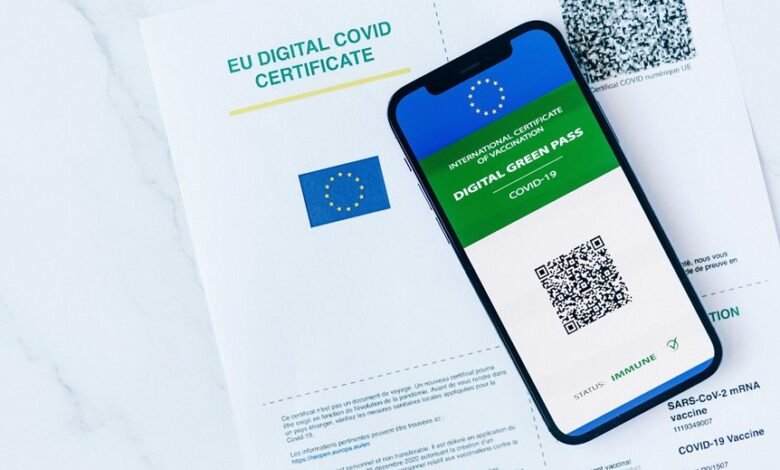
Verifying identity information associated with numbers such as 3510455346, 3511960693, and others is crucial in today’s digital landscape. This process involves thorough biometric scans, document verification, and database checks. Any discrepancies or unusual patterns must be examined rigorously. These steps are essential to prevent identity theft and foster trust. However, the methods employed for verification can vary significantly. Understanding these nuances is vital for effective identity management.
The Importance of Verifying Identity Information
Although the digital age has facilitated unprecedented connectivity, it has simultaneously heightened the risks associated with identity theft and fraud.
Effective identity verification is critical in safeguarding personal information and ensuring data accuracy. By employing rigorous verification processes, individuals can mitigate risks, protect their freedoms, and maintain trust in digital interactions.
Vigilance in identity management is essential for navigating today’s complex digital landscape.
Methods for Verifying Identity Numbers
Verifying identity numbers is a fundamental step in the broader context of identity management, particularly in an era where digital interactions are prevalent.
Effective identity verification methods include biometric scans, document verification, and database checks.
Identity number checks can be automated, enhancing efficiency and accuracy, while also ensuring compliance with regulations.
These methods collectively safeguard against identity theft and promote trust in digital transactions.
Common Red Flags of Fraudulent Identity Information
How can one discern the authenticity of identity information in a landscape rife with fraud?
Common red flags include mismatched identification details, inconsistent addresses, and unusual patterns of activity. Individuals should be wary of requests for sensitive information, which may indicate identity theft.
Additionally, frequent security breaches often compromise personal data, making vigilance crucial in identifying potential fraudulent identity information.
Best Practices for Keeping Your Information Secure
Given the prevalence of fraudulent identity information, implementing best practices for securing personal data is imperative.
Individuals should regularly update passwords, utilize two-factor authentication, and monitor financial accounts to mitigate identity theft risks.
Utilizing encryption tools and securing personal devices enhances data protection.
Moreover, being cautious with sharing information online is vital to maintaining privacy and safeguarding against potential breaches.
Conclusion
In conclusion, verifying identity information is paramount in a landscape rife with potential fraud. Employing a multifaceted approach that includes biometric scans and document verification can illuminate the shadows where inconsistencies may lurk. As the digital realm expands, vigilance becomes the guardian of personal data, ensuring that the fortress of trust remains intact. By adhering to best practices, individuals can safeguard their identities against the insidious tide of identity theft, fostering confidence in digital interactions.


