Technology and innovation have fundamentally reshaped the art world. Digital tools expand creative possibilities, while virtual and augmented reality create immersive experiences. The rise of artificial intelligence introduces a collaborative dimension, prompting a reevaluation of traditional artistic processes. Furthermore, social media bridges the gap between artists and audiences, fostering new connections. This evolving interplay raises questions about authenticity and the future of creativity. What implications do these advancements hold for the future of artistic expression?
Understanding Digital Art: Forms and Impact on Creativity
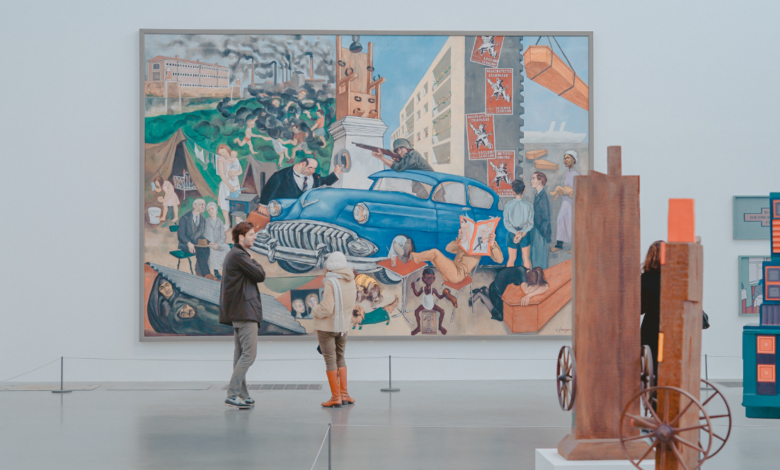
Digital art represents a transformative evolution in the realm of artistic expression, merging technology with creativity to expand the boundaries of traditional art forms.
Utilizing the digital canvas, artists can create intricate pieces that transcend physical limitations. Interactive installations further enhance engagement, inviting viewers to participate in the artistic experience.
This dynamic interplay between technology and creativity fosters a new landscape for artistic exploration and innovation.
See also: Technology and Human Creativity
How Virtual and Augmented Reality Enhance Art
The integration of virtual and augmented reality (VR and AR) into the art world represents a significant advancement in how audiences experience and interact with artistic creations.
These technologies facilitate immersive experiences, allowing viewers to engage with interactive installations that transcend traditional boundaries.
As a result, art becomes not only a visual encounter but a participatory journey, inviting freedom of exploration and personal interpretation.
How AI Is Changing the Way Art Is Created
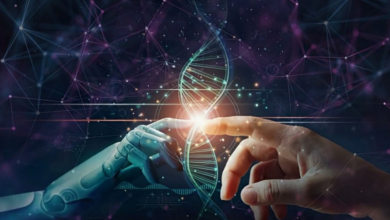
As artists increasingly embrace artificial intelligence (AI) as a collaborative tool, the creative process undergoes a transformative shift, redefining the boundaries of artistic expression.
AI creativity emerges through generative design, enabling artists to explore novel ideas and forms. This artistic collaboration fosters unique outcomes, while algorithmic aesthetics challenge traditional notions of authorship, inviting a reevaluation of creativity in the digital age.
How Social Media Connects Artists and Audiences
How do social media platforms transform the relationship between artists and their audiences?
These platforms facilitate direct artist engagement, allowing creators to share their work instantly and receive immediate audience feedback.
This dynamic interaction fosters a sense of community and collaboration, breaking traditional barriers.
As artists embrace this connectivity, they cultivate deeper connections with their audiences, enhancing the overall art experience in unprecedented ways.
Conclusion
In conclusion, technology and innovation have irrevocably altered the art landscape, enabling diverse forms of expression and connection. Notably, a survey revealed that 67% of artists now utilize digital tools, highlighting a significant shift toward tech-driven creativity. This transformation not only enriches artistic processes but also fosters deeper engagement between creators and audiences. As these technologies continue to evolve, they promise to further redefine the boundaries of art, inviting continual exploration and innovation in the creative sphere.