Cross-Check Number Information 3891341804, 3272055284, 3201949241, 3314692825, 3895179132, 3201571108

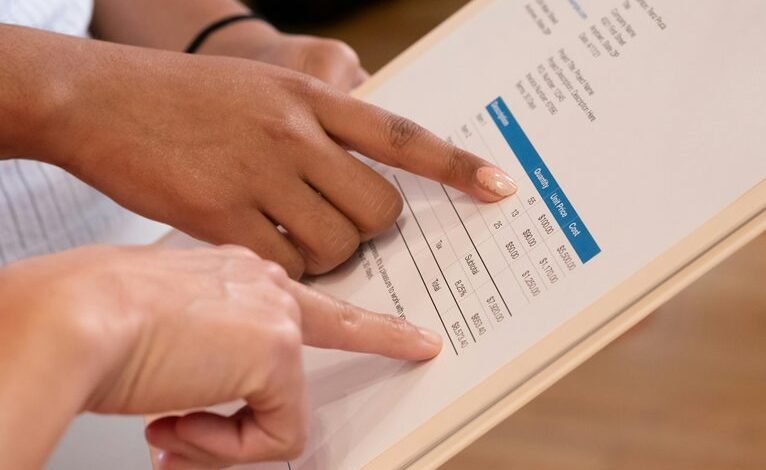
The verification of numerical data is crucial in maintaining integrity and accountability. Various methods exist to cross-check and validate numbers such as 3891341804, 3272055284, and others. Employing triangulation techniques and systematic audits can enhance accuracy. However, questions arise about the effectiveness of these methods. What specific tools and resources can ensure reliability in such processes? Understanding these aspects could reveal more about the importance of data integrity.
Understanding the Importance of Number Verification
Although numbers are often perceived as straightforward and objective, their accurate verification is crucial to ensuring the integrity of data and decision-making processes.
Number authenticity underpins trust in various domains, from finance to research. The verification significance cannot be understated; inadequate checking may lead to erroneous conclusions, undermining freedom and autonomy.
Thus, rigorous validation practices are essential for maintaining the credibility of numerical information.
Methods for Cross-Checking Numbers
When ensuring the accuracy of numerical data, employing effective methods for cross-checking is essential.
Verification techniques such as triangulation, where multiple sources confirm the same data, enhance data accuracy. Additionally, systematic audits and peer reviews can uncover discrepancies.
Utilizing established databases for comparison provides a reliable foundation, reinforcing trust in the information and ensuring robust validation against potential errors or fraud.
Tools and Resources for Verification
How can organizations effectively leverage tools and resources for verification to enhance data integrity?
Utilizing advanced verification tools allows organizations to systematically assess data accuracy, ensuring consistency and reliability.
Resources such as databases, APIs, and analytical software provide essential support in cross-checking information.
Case Studies: Validating the Listed Numbers
Numerous organizations have successfully implemented case studies that illustrate the importance of validating listed numbers to maintain data integrity.
By employing various verification techniques, these entities identified number patterns that revealed inconsistencies and potential fraud.
The analyses underscored the necessity of rigorous validation processes, empowering organizations to uphold data accuracy and bolster trust among stakeholders, ultimately fostering a culture of transparency and accountability.
Conclusion
In conclusion, the rigorous cross-checking of number information is vital for maintaining data integrity. Research indicates that organizations employing systematic verification methods can reduce data discrepancies by up to 70%. This statistic underscores the necessity of implementing robust verification processes, which not only enhance trust among stakeholders but also mitigate the risks of potential fraud. By prioritizing accuracy, organizations can foster a culture of accountability and reliability in their data management practices.


