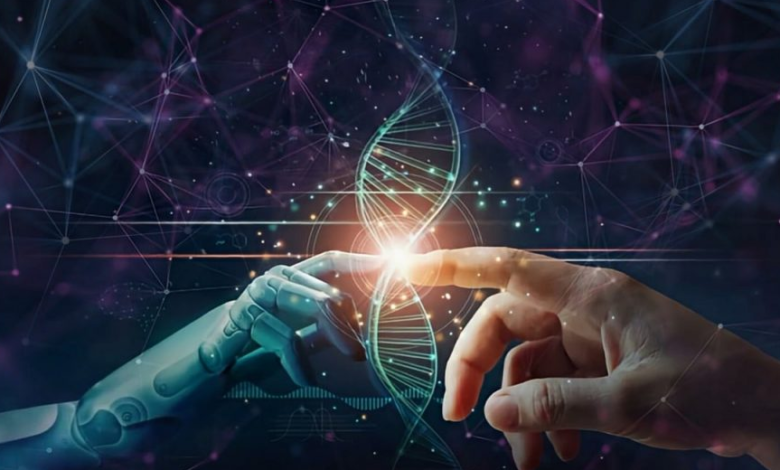
The intersection of technology and human creativity has revolutionized artistic expression. Digital tools enable novel forms of interaction and collaboration among creators, expanding the boundaries of traditional art. However, this evolution also introduces complex ethical issues surrounding authorship and originality. As artists navigate these challenges, they must consider how to preserve their unique voice amidst rapid technological advancements. What implications does this dynamic hold for the future of creativity?
How Technology Transforms Creative Expression
As technology continues to evolve, it fundamentally reshapes the landscape of creative expression, enabling artists and creators to explore new mediums and techniques.
Digital art thrives alongside virtual reality, enhancing interactive storytelling. Creative coding facilitates algorithmic composition, while generative design and multimedia installations craft immersive experiences.
This transformation empowers creators, inviting them to push boundaries and redefine artistic possibilities in a digital age.
See also: Technology and Global Finance
Benefits of Technology in Artistic Collaboration
While traditional artistic collaboration often relied on physical proximity and limited communication methods, technology has revolutionized this process by facilitating seamless connections among creators across the globe.
Virtual brainstorming sessions allow diverse perspectives to merge, enhancing creativity and innovation.
This global connectivity not only broadens artistic horizons but also fosters a rich exchange of ideas, empowering artists to collaborate without geographical constraints.
Navigating Ethical Dilemmas in AI and Creativity?
Amid the rapid advancements in artificial intelligence, creators face a myriad of ethical dilemmas that challenge traditional notions of authorship and originality.
Issues surrounding AI ownership and copyright concerns emerge, prompting the need for robust ethical guidelines.
Balancing technological capabilities with creative integrity becomes crucial as artists navigate these complexities, ensuring that innovation does not compromise the authenticity of their work or the rights of original creators.
The Future of Creativity: Balancing Tech and Human Touch
The evolution of creativity in an age dominated by technology presents a unique challenge: how to integrate the efficiency and innovations of artificial intelligence with the irreplaceable nuances of human expression.
Future creativity hinges on harmonizing digital innovation with human intuition, ensuring that technology amplifies rather than replaces the emotional depth inherent in creative endeavors.
This fosters a landscape where both can thrive together.
Conclusion
As technology continues to weave itself into the fabric of artistic expression, the challenge lies in harmonizing innovation with individual creativity. This delicate balance prompts artists to consider: can the spark of human imagination thrive alongside the cold efficiency of machines? Ultimately, the future of creativity hinges on the ability to embrace technology’s potential without sacrificing the soul of artistry, reminding us that while tools may evolve, the heart of creativity remains inherently human.